



Bears Ears gathering calls nations to defend land, future
Special to the Times | Donovan Quintero
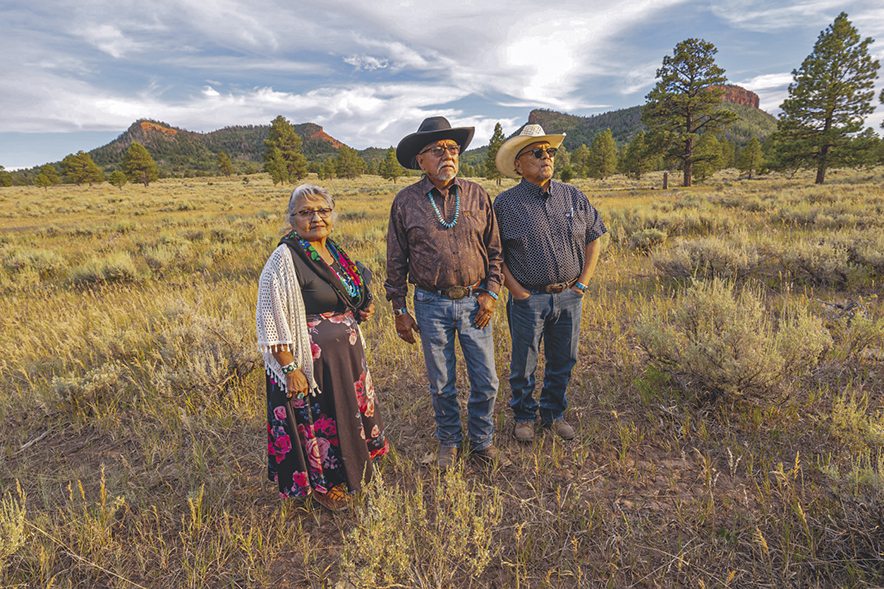
Utah Diné Bikéyah board members Marilyn Holly (left), Philip Rentz (center), and Harve Holiday stand at the Bears Ears meadows during the Bears Ears Summer Gathering at Bears Ears National Monument’s Kagalia Guard Station Campground on Saturday evening.
BEARS EARS NATIONAL MONUMENT, Utah
Under the rustling pines at the Kagalia Guard Station Campground, leaders, elders, and youth gathered July 25–27 for the annual Bears Ears Summer Gathering.
Special to the Times | Donovan Quintero
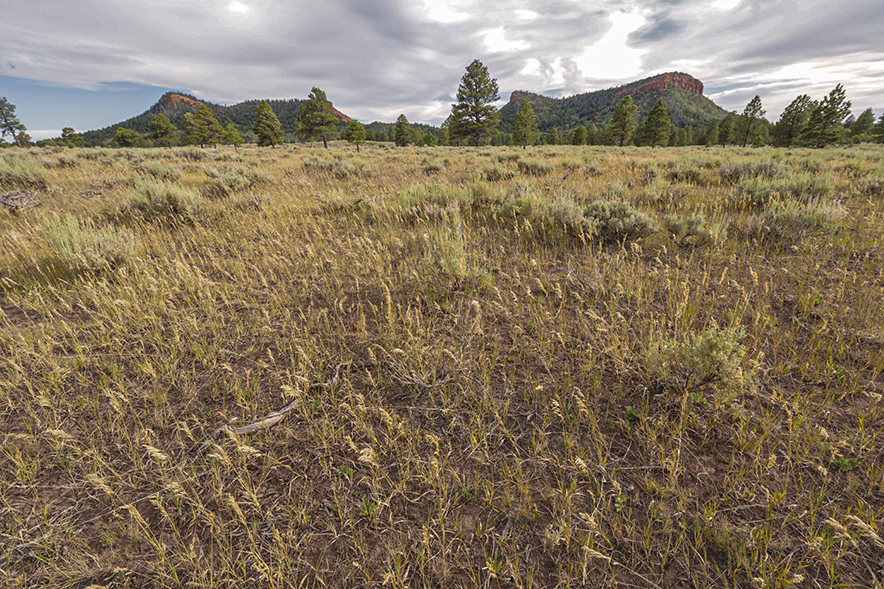
The Bears Ears buttes rise beyond sagebrush meadows inside Bears Ears National Monument, a landscape held sacred by many tribal nations, including the Diné, and central to ongoing debates over land protection and uranium development.
The event, hosted by Utah Diné Bikéyah, focused on protecting sacred lands, defending tribal sovereignty, and strengthening intertribal alliances.
This year’s gathering marked the 10th anniversary of the Bears Ears Inter-Tribal Coalition and followed the release of the finalized federal Bears Ears Resource Management Plan in April 2025. The plan outlines how the 1.36-million-acre monument will be managed in the future.
Land management and the power of Native voice
The Bureau of Land Management and the U.S. Forest Service developed the plan alongside the Bears Ears Commission, which includes representatives from the Hopi Tribe, the Navajo Nation, the Ute Mountain Ute Tribe, Pueblo of Zuni, and the Ute Indian Tribe. The Final Environmental Impact Statement, released in October 2024, reflects years of consultation with tribal nations, agencies, and the public to ensure a culturally informed land stewardship strategy.
Special to the Times | Donovan Quintero
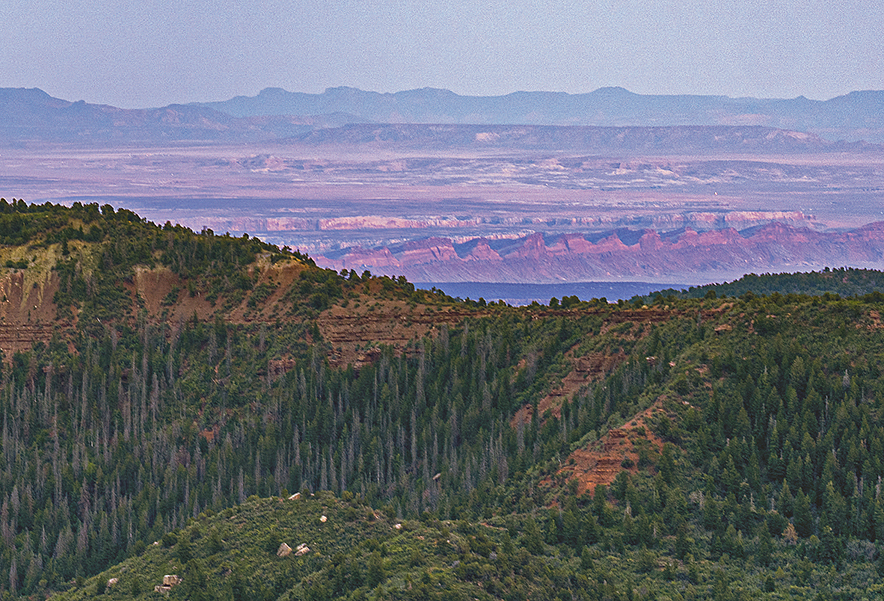
From the forested mesas of Bears Ears National Monument, the view stretches toward the layered cliffs of southeastern Utah’s Canyonlands on Saturday evening. The land remains central to tribal identity, ceremony, and ongoing debates over public land protection.
The plan stems from President Joe Biden’s 2021 proclamation restoring the monument’s boundaries. The declaration called for a new framework integrating “Traditional Indigenous Knowledge” with modern conservation science to protect cultural, natural, and scientific resources.
To read the full article, please see the July 31, 2025, edition of the Navajo Times.
Get instant access to this story by purchasing one of our many e-edition subscriptions HERE at our Navajo Times Store.

 Highway 264,
 I-40, WB @ Winslow