
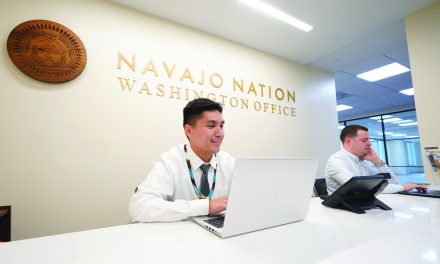




Navajo Nation Washington Office website goes dark as Council weighs shifting oversight of DC office
WINDOW ROCK
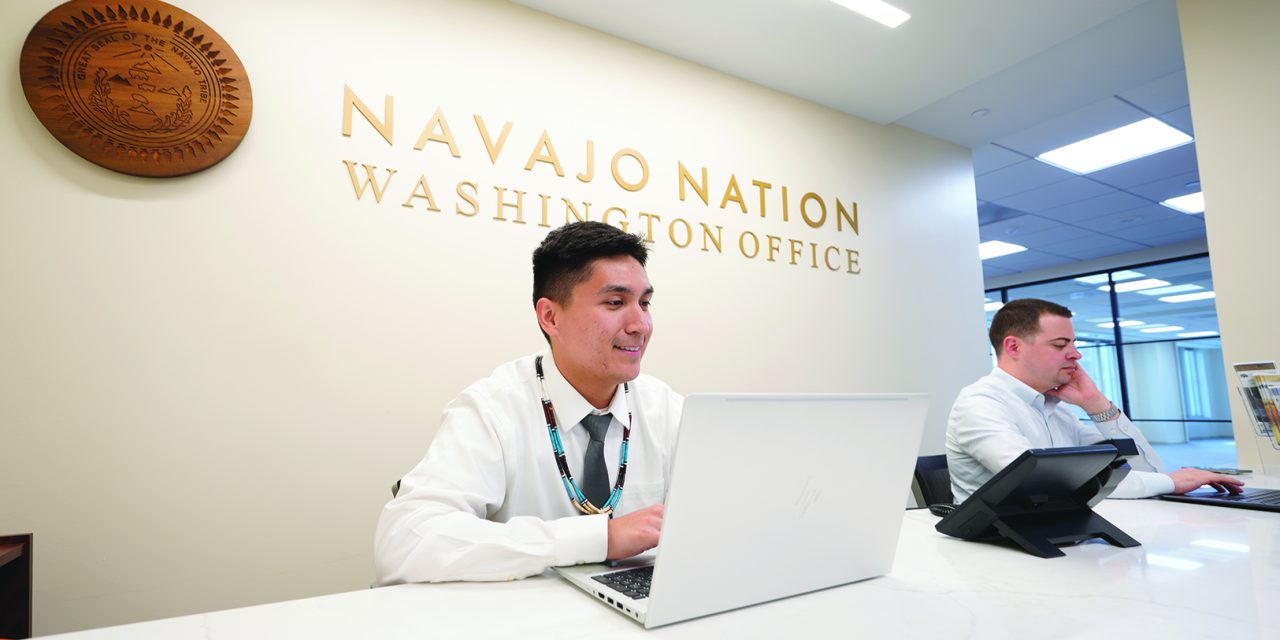
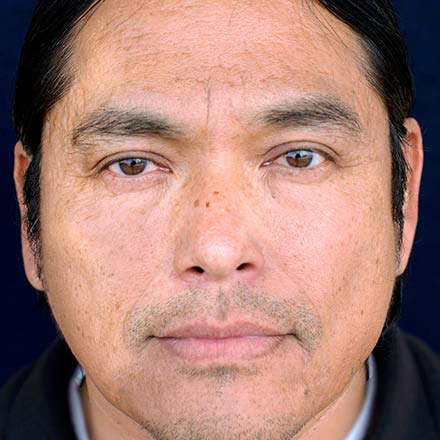
If you don’t have direct access to recently confirmed Navajo Nation Washington Office Executive Director Vince Redhouse or any of his staff, you may be unable to contact them through the office website until next week.
The office’s website, commonly referred to as the NNWO, was not available on Monday.
The Navajo Times reached out to Redhouse asking for a comment about why the website was not operating, but he did not respond. A staff member said the website may not be working because a bill was not paid, which could affect Navajo citizens trying to reach the office for up to a week.
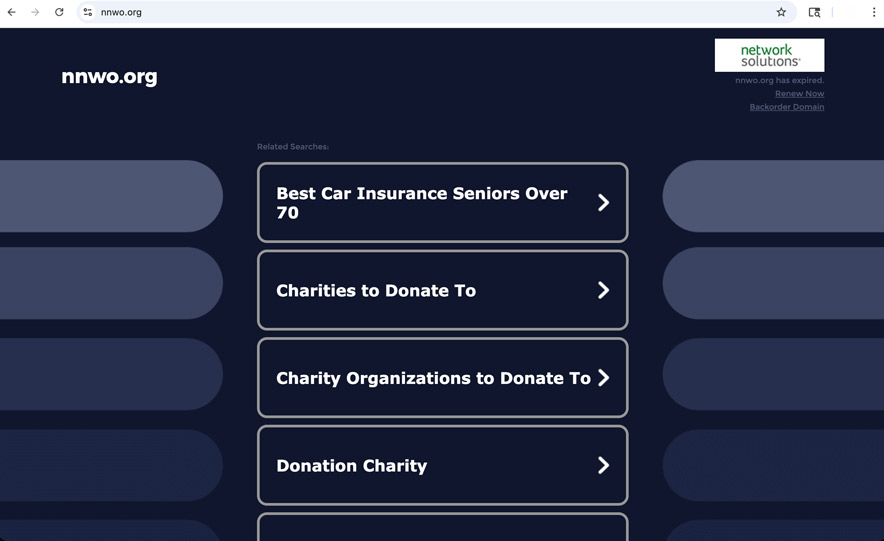
The Navajo Nation Washington Office website appears inactive, showing an expired domain notice and placeholder content when accessed on Feb. 16, 2026.
Key federal link for Diné communities
For many Diné families, federal policy can feel distant from daily life. The office representing the tribe in Washington, D.C., is tasked with influencing decisions that can affect basic services back home, from road funding and agricultural programs to water settlements and federal law.
During a September 2024 interview, then Navajo Nation Washington Office Executive Director Justin Ahasteen described the office as the tribe’s direct presence within the federal government. Its mission, he explained, is to monitor federal actions, secure funding opportunities, and ensure the Navajo Nation’s position is considered when national policy is created.
Ahasteen stepped down and Redhouse took the helm in April 2025.
At the time, Ahasteen said local chapter services often connect indirectly to the office’s work because federal grants and appropriations can offset tribal spending. When federal funding pays for major initiatives such as agriculture, he explained, the Navajo Nation can redirect its own revenues to community programs that directly assist residents.
A central responsibility of the office, he said, is identifying funding opportunities and helping Navajo Nation divisions compete for them. Staff alert tribal departments to grants, assist with applications and coordinate responses to federal agencies. The work, he noted, is demanding because multiple federal consultations frequently occur at the same time, each requiring research, preparation and formal written responses.
Participation in those consultations is essential, he said, because it places the Navajo Nation’s perspective into the official record as federal agencies develop policies. For tribal governments that have historically criticized federal programs for failing to reflect tribal realities, documenting their position during rulemaking is a key form of advocacy.
The office also works directly on federal legislation. Ahasteen said staff review draft bills, suggest technical changes, and coordinate with tribal attorneys and congressional staff to ensure the language reflects the tribe’s intentions. Water rights legislation, he said, is one example where the office helps refine bill language before introduction.
He described the role as not only about securing funding but also about protecting sovereignty. By monitoring congressional activity, the office can respond quickly to proposals that may affect tribal authority or programs.
Ahasteen emphasized that maintaining a physical presence in Washington matters. Being near Congress and federal agencies allows staff to meet officials in person, maintain relationships across departments and respond quickly when issues arise. In his view, in-person advocacy carries greater impact than remote communication, particularly when explaining tribal needs or sharing community experiences with policymakers.
The office also coordinates visits by Navajo leadership, arranging meetings with federal officials and agencies. At the time, Ahasteen said he served under the Navajo Nation president while also working with the Navajo Nation Council, which holds oversight authority. He said advance planning is important because arranging federal meetings on short notice can be difficult.
Beyond Navajo-specific issues, the office sometimes collaborates with other tribes and national organizations on broader Indian Country priorities such as health care, housing and compensation efforts tied to uranium exposure. Coalition advocacy, he said, can strengthen the chances of federal action on issues affecting multiple tribal communities.
Another part of the office’s work is education. Ahasteen said many federal policymakers have limited understanding of modern Native life, including the infrastructure challenges that still exist in some communities. To address that, the office hosts visitors and shares cultural materials to provide context about Navajo history and living conditions.
Ultimately, he framed the Washington office as part of the tribe’s sovereign relationship with the United States. Maintaining a dedicated office near federal decision makers allows the Navajo Nation to monitor legislation, communicate its priorities and advocate for resources that affect residents.
Although its work happens far from the Navajo homeland, Ahasteen said the goal is straightforward: ensure the tribe’s interests are represented where national decisions are made and translate federal policy into tangible benefits for communities at home.
Ahasteen said at the time his office worked at the pleasure of the Navajo Nation president.
Measure that could shift oversight
That could change.
A proposed Navajo Nation Council measure would shift political oversight of the NNWO, moving supervision of the office’s director away from the Executive Branch and placing it under the authority of the Legislative Branch.
Legislation 0028-26, sponsored by Delegate Amber Kanazbah Crotty, would amend Title 2 of the Navajo Nation Code, if approved, so that the Washington Office director serves “at the pleasure of the Navajo Nation Council” rather than the Navajo Nation president.
Crotty’s legislation frames the change as an effort to strengthen accountability and improve communication between lawmakers and NNWO. The Navajo Nation Council routinely passes policy resolutions that must be conveyed to federal agencies and officials, and those communications are handled by the Washington office.
Under existing law, the office’s director operates under the authority of the Navajo Nation president. The proposed change would not eliminate presidential appointment powers but would alter the employment relationship. The president would still appoint the director, subject to council confirmation, but the director would ultimately serve at the pleasure of the Council.
The three-page legislation is currently with the Law and Order Committee. If approved, it will then head to the Naabik’íyáti’ Committee, then to the Council for consideration.
By placing the Washington office director under Legislative supervision, the Council would gain direct leverage over the office responsible for communicating Navajo Nation priorities to the federal government, a role central to federal funding, regulatory negotiations and government to government relations.
For the legislation to become law, it requires two thirds vote of the Council.
Get instant access to this story by purchasing one of our many e-edition subscriptions HERE at our Navajo Times Store.

 Highway 264,
 I-40, WB @ Winslow